Gaza Aid Crisis: 5,000 Trucks Jammed at Rafah Border
What if the only gateway to survival for millions was sealed shut, controlled by an unseen hand? That's the stark reality unfolding at the **Rafah crossing**, a critical **border access** point into **Gaza**. It's here, amidst a landscape of desperation, that **Palestinian Prime Minister Mohammad Mustafa** and **Egypt's Foreign Minister Badr Abdelatty** made their crucial first visit, bearing witness to a crisis that defies easy solutions.
 Gaza's Lifeline Under Lock and Key
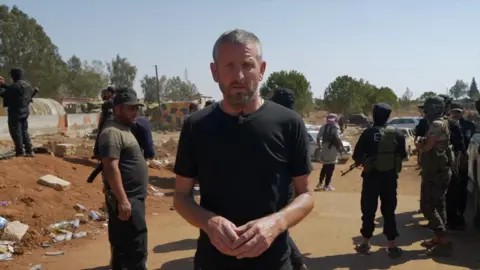 For residents of **Gaza**, the **Rafah crossing** represents more than just a border; it’s their sole entry point to the world outside of Israel. Imagine that vital connection, a direct link to **Egypt**, now completely shut down, placed under tight Israeli military control. The ministers stood at this choked gateway, a powerful symbol of the blockade that has tightened its grip. Their presence wasn't just symbolic; it was a direct confrontation with the stark truth: a primary conduit for survival remains impassable.
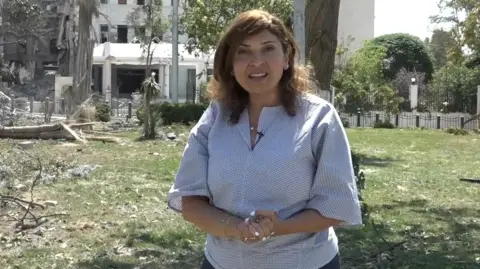 Mountains of Aid, Miles of Waiting
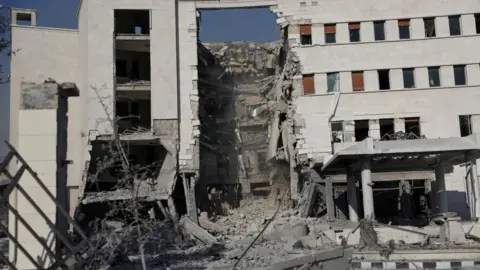 Just a short distance away, a different scene unfolded: **long queues of trucks**, laden with **humanitarian aid** and desperately needed supplies, stretching for miles. These aren't waiting at Rafah. Instead, they are stuck, motionless, awaiting clearance to enter **Gaza** through *another* Israeli crossing nearby. Picture the rumbling engines silenced, the drivers' frustration, and the sheer volume of sustenance – **food, medicine, water** – just out of reach. Each minute these **supply convoys** sit idle, the crisis deepens. The United Nations has repeatedly stressed this painful paradox: aid exists, but **aid delivery** is excruciatingly slow.
 A Trickle of Hope, A Deluge of Desperation
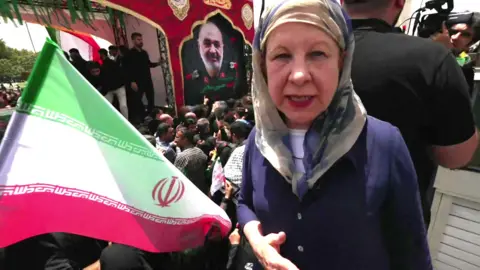 The world watched, horrified, as images of **starving children** emerged from **Gaza**, igniting a wave of **international outrage**. This global outcry, thankfully, has spurred some movement. The UN reports that **more food is now entering Gaza**, a welcome but tragically insufficient shift. But make no mistake: this slight increase is a drop in the ocean compared to the overwhelming need. The urgent plea from aid agencies remains the same: **much more aid needs to get in, and much more quickly.** For the people of **Gaza**, caught in a struggle for **food security** and basic survival, every hour counts. Will this newfound, albeit limited, access truly stem the tide of hunger, or is it merely a temporary reprieve before a deeper tragedy unfolds?
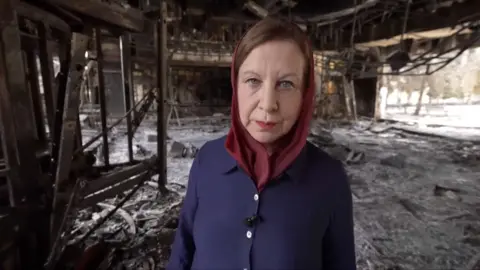 Traveling with these senior figures, the BBC's Chief International Correspondent Lyse Doucet witnessed firsthand the heartbreaking intersection of diplomacy and profound human suffering. The fight to open **Gaza's borders** for essential aid isn't just a political negotiation; it's a race against time for hundreds of thousands on the brink.

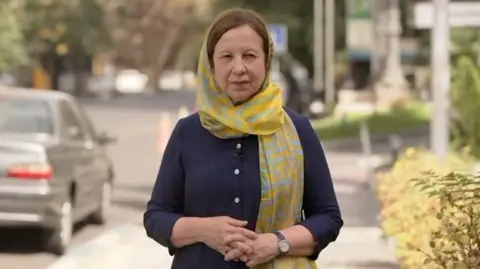


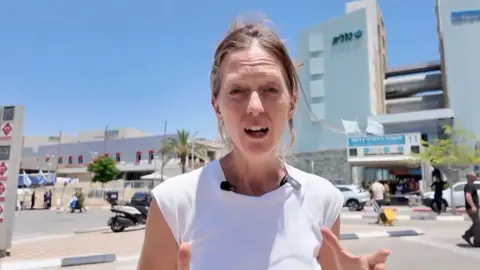
Image 1
Image 2
Image 3
Image 4
Image 5
Image 6
Image 7
Image 8
Image 9
Image 10
Image 11
Image 12
Image 13
Image 14
Image 15
Image 16
Image 17
Image 18
Image 19
Image 20
Image 21


Comments
Post a Comment