Israeli Minister's Temple Mount Prayer Sparks Fury
**Jerusalem's Red Line: Minister's Defiant Prayer Ignites Regional Fury at Al-Aqsa**
Imagine a flashpoint so sensitive, a single prayer can send shockwaves across the globe. That's exactly what happened in **Jerusalem** when **Israel's National Security Minister, Itamar Ben-Gvir**, ignited a firestorm by openly praying at the revered **Al-Aqsa Mosque compound** – a direct violation of a fragile, decades-old understanding. This isn't just a news story; it's a dramatic moment threatening the delicate balance in the **Middle East**.
 A Defiant Act at a Sacred Site
Captured in stark photos and videos, the scene unfolded in **occupied East Jerusalem**. There stood Ben-Gvir, defiant and resolute, leading **Jewish prayers** within the sacred confines known to Jews as the **Temple Mount**. His actions weren't merely symbolic; they shattered a long-standing "status quo" arrangement. For decades, **Jewish visitors** were permitted to visit this **holy site**, but prayer was reserved exclusively for **Muslim worshipers**.
A Defiant Act at a Sacred Site
Captured in stark photos and videos, the scene unfolded in **occupied East Jerusalem**. There stood Ben-Gvir, defiant and resolute, leading **Jewish prayers** within the sacred confines known to Jews as the **Temple Mount**. His actions weren't merely symbolic; they shattered a long-standing "status quo" arrangement. For decades, **Jewish visitors** were permitted to visit this **holy site**, but prayer was reserved exclusively for **Muslim worshipers**.
 The Fragile "Status Quo": What's at Stake?
To truly grasp the gravity of Ben-Gvir's actions, we must delve into the "status quo" itself. This intricate pact, a cornerstone of stability in the volatile region, dates back to the aftermath of the 1967 **Middle East war**. When **Israel** captured East Jerusalem from **Jordan**, a unique agreement emerged: **Jordan** would retain its historical role as custodian of the **Al-Aqsa Mosque compound**, overseeing religious affairs through the Waqf (the Islamic endowment that runs the site). Meanwhile, **Israel** assumed control over security and access. The core tenet? Only **Muslims** could pray here.
The Fragile "Status Quo": What's at Stake?
To truly grasp the gravity of Ben-Gvir's actions, we must delve into the "status quo" itself. This intricate pact, a cornerstone of stability in the volatile region, dates back to the aftermath of the 1967 **Middle East war**. When **Israel** captured East Jerusalem from **Jordan**, a unique agreement emerged: **Jordan** would retain its historical role as custodian of the **Al-Aqsa Mosque compound**, overseeing religious affairs through the Waqf (the Islamic endowment that runs the site). Meanwhile, **Israel** assumed control over security and access. The core tenet? Only **Muslims** could pray here.
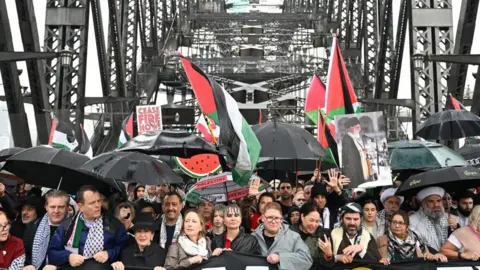 This arrangement, far from perfect, has long served as a crucial, albeit often strained, mechanism to manage competing religious claims to one of the world's most contested spaces. For Jews, it's the holiest place, the site of two ancient Biblical Temples. For Muslims, it's the third holiest, believed to be where the Prophet Muhammad ascended to heaven. It's a delicate dance of historical and religious reverence, and Ben-Gvir's prayer just stepped on a very live wire.
Waves of Condemnation: A Region on Edge
This arrangement, far from perfect, has long served as a crucial, albeit often strained, mechanism to manage competing religious claims to one of the world's most contested spaces. For Jews, it's the holiest place, the site of two ancient Biblical Temples. For Muslims, it's the third holiest, believed to be where the Prophet Muhammad ascended to heaven. It's a delicate dance of historical and religious reverence, and Ben-Gvir's prayer just stepped on a very live wire.
Waves of Condemnation: A Region on Edge
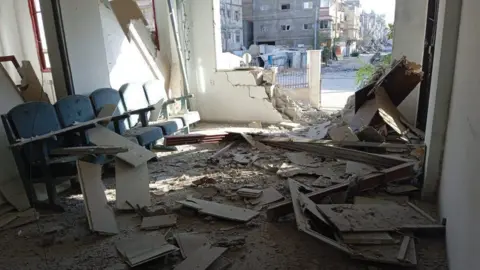 The backlash was immediate and fierce. **Jordan**, as the official custodian of the site, branded Ben-Gvir's visit an "unacceptable provocation," sending a clear diplomatic warning. From **Hamas**, the militant group, came a stern condemnation, calling it "a deepening of the ongoing aggressions against our Palestinian people." Even the spokesperson for **Palestinian Authority President Mahmoud Abbas** declared the visit had "crossed all red lines."
What's more, the Israeli prime minister's office, attempting to quell the international outcry, issued a statement insisting there was "no change to **Israel's policy** of maintaining the status quo agreement." But for many, especially **Palestinians**, this assurance rings hollow. They accuse **Israel** of chipping away at the arrangements, pointing to a growing trend of **Jewish visitors** praying at the site without intervention from Israeli police – a clear departure from the stated policy.
The backlash was immediate and fierce. **Jordan**, as the official custodian of the site, branded Ben-Gvir's visit an "unacceptable provocation," sending a clear diplomatic warning. From **Hamas**, the militant group, came a stern condemnation, calling it "a deepening of the ongoing aggressions against our Palestinian people." Even the spokesperson for **Palestinian Authority President Mahmoud Abbas** declared the visit had "crossed all red lines."
What's more, the Israeli prime minister's office, attempting to quell the international outcry, issued a statement insisting there was "no change to **Israel's policy** of maintaining the status quo agreement." But for many, especially **Palestinians**, this assurance rings hollow. They accuse **Israel** of chipping away at the arrangements, pointing to a growing trend of **Jewish visitors** praying at the site without intervention from Israeli police – a clear departure from the stated policy.
 Beyond Prayer: Ben-Gvir's Provocative Vision
Ben-Gvir, a vocal **ultra-nationalist** who now oversees the police as **National Security Minister**, has indeed visited the compound before. But this time was different. The Times of Israel confirmed it was the first occasion he had *openly prayed* there, flanked by a phalanx of police officers, transforming a private act into a public statement. His defiance didn't stop there.
Beyond Prayer: Ben-Gvir's Provocative Vision
Ben-Gvir, a vocal **ultra-nationalist** who now oversees the police as **National Security Minister**, has indeed visited the compound before. But this time was different. The Times of Israel confirmed it was the first occasion he had *openly prayed* there, flanked by a phalanx of police officers, transforming a private act into a public statement. His defiance didn't stop there.
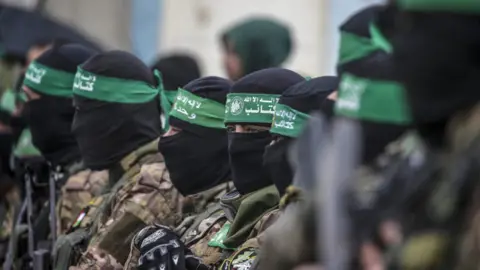 While at the site, he publicly linked his visit to the recent "horror" videos of emaciated hostages released by Hamas, demanding their return. He also reiterated his extreme political views, calling for **Israel to occupy the whole of the Gaza Strip** and to encourage what he termed "voluntary emigration" of **Palestinians** from the territory. Experts widely denounce this as a euphemism for the **forced displacement of civilians**, a grave violation that could amount to a **war crime** under **international law**. Such incendiary rhetoric is not new for Ben-Gvir; he's already been sanctioned by the UK for his "repeated incitements of violence against Palestinian communities" in the **occupied West Bank**. His actions at **Al-Aqsa** are, for many, simply the latest chapter in a long history of challenging established norms.
The Unfolding Crisis: What Lies Ahead?
While at the site, he publicly linked his visit to the recent "horror" videos of emaciated hostages released by Hamas, demanding their return. He also reiterated his extreme political views, calling for **Israel to occupy the whole of the Gaza Strip** and to encourage what he termed "voluntary emigration" of **Palestinians** from the territory. Experts widely denounce this as a euphemism for the **forced displacement of civilians**, a grave violation that could amount to a **war crime** under **international law**. Such incendiary rhetoric is not new for Ben-Gvir; he's already been sanctioned by the UK for his "repeated incitements of violence against Palestinian communities" in the **occupied West Bank**. His actions at **Al-Aqsa** are, for many, simply the latest chapter in a long history of challenging established norms.
The Unfolding Crisis: What Lies Ahead?
 As the dust settles on this latest incident, the question looms: how will this blatant challenge to the **status quo agreement** impact the already volatile situation in **Jerusalem** and the wider **Middle East conflict**? Ben-Gvir's actions have not only stirred the hornet's nest but have also intensified global scrutiny on a region where peace often feels just one prayer away from peril. What comes next, remains to be seen.
Image 1
Image 2
Image 3
Image 4
Image 5
Image 6
Image 7


Comments
Post a Comment