Pan-Africanism Surges in the Caribbean
The Caribbean's Heartbeat: A Powerful New Wave of African Pride is Rising
Imagine a busy doctor on the stunning Caribbean island of St. Lucia. By day, Augustine Ogbu tends to patients in clinics, healing bodies. But by night, this 29-year-old Nigerian transforms into a solo chef, crafting the aromatic, soul-stirring flavors of his homeland from his Rodney Bay home. His takeaway, Africana Chops, isn't just serving delicious food; it's serving a powerful, unexpected cultural revolution.
Why are St. Lucians clamoring for **Nigerian egusi soup**, **fufu**, and **jollof rice**? As Dr. Ogbu reveals, it's about more than just taste. It's a deep, yearning call to their ancestral roots, a vibrant reconnection to **African heritage in the Caribbean** that's swelling across the islands. This isn't just a trend; it's a reawakening.
From Clinic to Kitchen: A Taste of Africa Ignites St. Lucia
 Dr. Ogbu first arrived in St. Lucia in 2016, a Nigerian among 180,000 islanders, to pursue his medical training. By 2022, his St. Lucian friends' incessant requests for authentic Nigerian dishes sparked an idea: Africana Chops. What started as a home-based venture is now thriving, surprising even Dr. Ogbu himself.
"They know that we all have the same ancestral origin," he explains. "Most of the time, they want to get in touch with that." In less than a decade, interest in **African culture in St. Lucia** has grown "tremendously," reflecting a broader phenomenon sweeping the region. This isn't just about food; it's about identity, history, and a shared future.
The Roots Run Deep: A Shared Past, A Renewed Future
The Caribbean's bond with Africa is etched deep into its very soil. Generations ago, European merchants forcibly transported enslaved West and Central Africans, whose descendants form a significant part of the islands' population. Though slavery was abolished in the 1800s and independence followed, a rich tapestry of African customs persisted, evolving into the unique cultures we see today.
Dr. Ogbu first arrived in St. Lucia in 2016, a Nigerian among 180,000 islanders, to pursue his medical training. By 2022, his St. Lucian friends' incessant requests for authentic Nigerian dishes sparked an idea: Africana Chops. What started as a home-based venture is now thriving, surprising even Dr. Ogbu himself.
"They know that we all have the same ancestral origin," he explains. "Most of the time, they want to get in touch with that." In less than a decade, interest in **African culture in St. Lucia** has grown "tremendously," reflecting a broader phenomenon sweeping the region. This isn't just about food; it's about identity, history, and a shared future.
The Roots Run Deep: A Shared Past, A Renewed Future
The Caribbean's bond with Africa is etched deep into its very soil. Generations ago, European merchants forcibly transported enslaved West and Central Africans, whose descendants form a significant part of the islands' population. Though slavery was abolished in the 1800s and independence followed, a rich tapestry of African customs persisted, evolving into the unique cultures we see today.
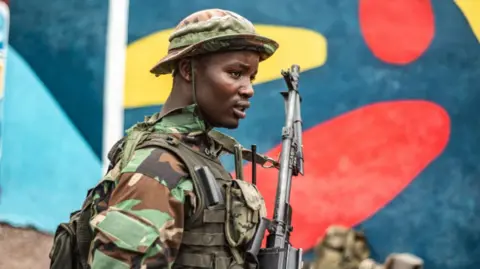 Dorbrene O'Marde, who leads the Antigua and Barbuda Reparations Support Commission, notes that surges of **African pride** aren't new. He recalls powerful movements in the 1930s and 1960s, mirroring America's Black Power movement. But today's resurgence feels different, more promising.
"It has widened beyond psychological and cultural themes," O'Marde tells the BBC. This isn't just about symbolic unity; it's about tangible economic ties, stronger transport links, and a vision for a unified future. This new era of **Pan-Africanism** isn't destined to fade; it's building momentum. But what's truly powering this exciting new wave?
Beyond the Plate: Social Media and Afrobeats Fuel the Fire
This current explosion of **African pride Caribbean** is amplified by a game-changer: social media. Dennis Howard, a cultural expert at the University of the West Indies, highlights how platforms like TikTok are allowing a "significant" number of Jamaicans to delve into **black history beyond slavery**.
Dorbrene O'Marde, who leads the Antigua and Barbuda Reparations Support Commission, notes that surges of **African pride** aren't new. He recalls powerful movements in the 1930s and 1960s, mirroring America's Black Power movement. But today's resurgence feels different, more promising.
"It has widened beyond psychological and cultural themes," O'Marde tells the BBC. This isn't just about symbolic unity; it's about tangible economic ties, stronger transport links, and a vision for a unified future. This new era of **Pan-Africanism** isn't destined to fade; it's building momentum. But what's truly powering this exciting new wave?
Beyond the Plate: Social Media and Afrobeats Fuel the Fire
This current explosion of **African pride Caribbean** is amplified by a game-changer: social media. Dennis Howard, a cultural expert at the University of the West Indies, highlights how platforms like TikTok are allowing a "significant" number of Jamaicans to delve into **black history beyond slavery**.
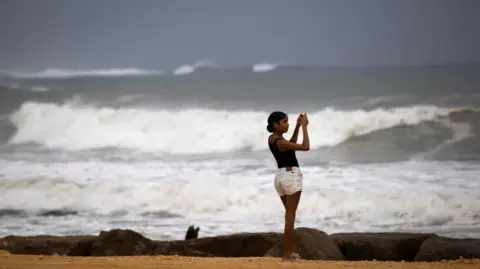 And then there's the music. The global rise of **Afrobeats**, born from Nigeria and Ghana, is captivating audiences worldwide. In Jamaica, this pulsating genre serves a deeper purpose. "Through the music videos," Howard explains, "Jamaicans are seeing certain parts of Africa are similar to Jamaica and are developed." Gone are the outdated stereotypes of a "backward" continent; Afrobeats is showcasing a vibrant, modern Africa, challenging perceptions and fostering connection.
Some might argue that islanders should focus solely on their distinct Caribbean identity. But Howard insists the two are inseparable. "Our whole culture is African, with a little sprinkling of Indian and European and Chinese. But for the most part it is African-derived. It is the most dominant part of our culture." This isn't about choosing sides; it's about embracing the full spectrum of a rich heritage.
Journeys Home: Exploring the Motherland First-Hand
This powerful cultural pull isn't just happening online or in local kitchens; it's inspiring real-world journeys. More **Afro-descendant community** members are making the pilgrimage to Africa itself. Ghana, a historical departure point for enslaved Africans, has seen a "notable increase" in holidaymakers from the Caribbean.
And then there's the music. The global rise of **Afrobeats**, born from Nigeria and Ghana, is captivating audiences worldwide. In Jamaica, this pulsating genre serves a deeper purpose. "Through the music videos," Howard explains, "Jamaicans are seeing certain parts of Africa are similar to Jamaica and are developed." Gone are the outdated stereotypes of a "backward" continent; Afrobeats is showcasing a vibrant, modern Africa, challenging perceptions and fostering connection.
Some might argue that islanders should focus solely on their distinct Caribbean identity. But Howard insists the two are inseparable. "Our whole culture is African, with a little sprinkling of Indian and European and Chinese. But for the most part it is African-derived. It is the most dominant part of our culture." This isn't about choosing sides; it's about embracing the full spectrum of a rich heritage.
Journeys Home: Exploring the Motherland First-Hand
This powerful cultural pull isn't just happening online or in local kitchens; it's inspiring real-world journeys. More **Afro-descendant community** members are making the pilgrimage to Africa itself. Ghana, a historical departure point for enslaved Africans, has seen a "notable increase" in holidaymakers from the Caribbean.
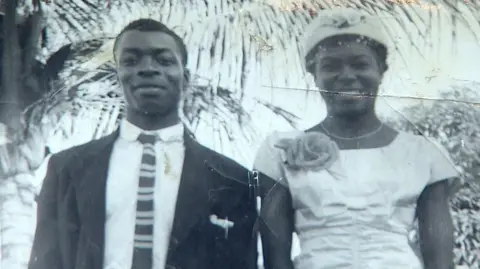 Werner Gruner, South Africa's consul to the Bahamas, reports a significant rise in people traveling to South Africa, Ghana, and Kenya for safaris and to experience modern African development. Even Burkina Faso, not traditionally a tourist hub, is appearing on bucket lists due to its leader's Pan-African stance. This physical journey highlights a profound desire to connect with roots and experience the continent first-hand. But how easy is it to get there?
Building Bridges: Trade, Travel, and a Shared Destiny
Currently, direct travel between Africa and the Caribbean can be a challenge, often requiring detours through Europe. Barbados Prime Minister Mia Mottley, a self-proclaimed "daughter of Africa," has passionately called for "air and sea bridges" to connect the continents. "Let us make these changes," she urged, "not just for heads of state, but for ordinary people who wish to trade, travel, and forge a shared future."
And trade is booming. Key institutions like the African Union, African Development Bank (AfDB), and African Export-Import Bank (Afreximbank) are actively forging economic partnerships. Afreximbank projects a jump in **trade between Africa and the Caribbean** from $730 million to a staggering $1.8 billion by 2028.
Werner Gruner, South Africa's consul to the Bahamas, reports a significant rise in people traveling to South Africa, Ghana, and Kenya for safaris and to experience modern African development. Even Burkina Faso, not traditionally a tourist hub, is appearing on bucket lists due to its leader's Pan-African stance. This physical journey highlights a profound desire to connect with roots and experience the continent first-hand. But how easy is it to get there?
Building Bridges: Trade, Travel, and a Shared Destiny
Currently, direct travel between Africa and the Caribbean can be a challenge, often requiring detours through Europe. Barbados Prime Minister Mia Mottley, a self-proclaimed "daughter of Africa," has passionately called for "air and sea bridges" to connect the continents. "Let us make these changes," she urged, "not just for heads of state, but for ordinary people who wish to trade, travel, and forge a shared future."
And trade is booming. Key institutions like the African Union, African Development Bank (AfDB), and African Export-Import Bank (Afreximbank) are actively forging economic partnerships. Afreximbank projects a jump in **trade between Africa and the Caribbean** from $730 million to a staggering $1.8 billion by 2028.
 However, significant hurdles remain. The World Bank highlights poor transport infrastructure, logistics, and customs efficiency as major obstacles. What's the radical solution being proposed to overcome these barriers and truly unite the regions?
A Digital Dream: The Call for a Shared Currency
In an audacious move to dismantle trade barriers, the prime ministers of Grenada and the Bahamas have called for a **shared currency between Africa and the Caribbean**. Bahamian Prime Minister Philip Davis suggested "seriously" considering a single digital currency, while Grenada's Dickon Mitchell declared it would "symbolically and practically affirm our shared identity not just as trading partners, but as members of a truly global Africa."
Coordinating over 60 countries for such a massive undertaking is no small feat, but Mitchell insists it's essential for both regions to "take control of [their] own future."
However, significant hurdles remain. The World Bank highlights poor transport infrastructure, logistics, and customs efficiency as major obstacles. What's the radical solution being proposed to overcome these barriers and truly unite the regions?
A Digital Dream: The Call for a Shared Currency
In an audacious move to dismantle trade barriers, the prime ministers of Grenada and the Bahamas have called for a **shared currency between Africa and the Caribbean**. Bahamian Prime Minister Philip Davis suggested "seriously" considering a single digital currency, while Grenada's Dickon Mitchell declared it would "symbolically and practically affirm our shared identity not just as trading partners, but as members of a truly global Africa."
Coordinating over 60 countries for such a massive undertaking is no small feat, but Mitchell insists it's essential for both regions to "take control of [their] own future."
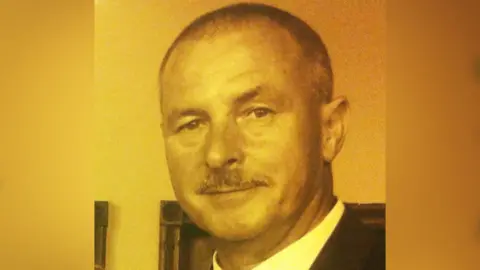 Back in St. Lucia, Dr. Ogbu's Africana Chops represents a vital, tangible piece of this grand vision. He sees his efforts to share Nigerian culture as an extension of recent cooperation agreements, like those signed between Nigerian President Bola Tinubu and St. Lucia.
"I can say I'm working hand-in-hand with the Nigerian government and even the St. Lucian government to promote the African culture," he proudly states. As he plans to expand Africana Chops into a full-fledged restaurant, Dr. Ogbu radiates excitement for the deepening **cultural exchange between Africa and the Caribbean**.
"It's awesome!" he exclaims. "I'm really, really excited about that." This isn't just about food or music; it's about rediscovering a shared soul, building new bridges, and shaping a future where the heart of Africa beats stronger than ever in the Caribbean.
Back in St. Lucia, Dr. Ogbu's Africana Chops represents a vital, tangible piece of this grand vision. He sees his efforts to share Nigerian culture as an extension of recent cooperation agreements, like those signed between Nigerian President Bola Tinubu and St. Lucia.
"I can say I'm working hand-in-hand with the Nigerian government and even the St. Lucian government to promote the African culture," he proudly states. As he plans to expand Africana Chops into a full-fledged restaurant, Dr. Ogbu radiates excitement for the deepening **cultural exchange between Africa and the Caribbean**.
"It's awesome!" he exclaims. "I'm really, really excited about that." This isn't just about food or music; it's about rediscovering a shared soul, building new bridges, and shaping a future where the heart of Africa beats stronger than ever in the Caribbean.
Image 1
Image 2
Image 3
Image 4
Image 5
Image 6


Comments
Post a Comment